MIT Universal AI Summit
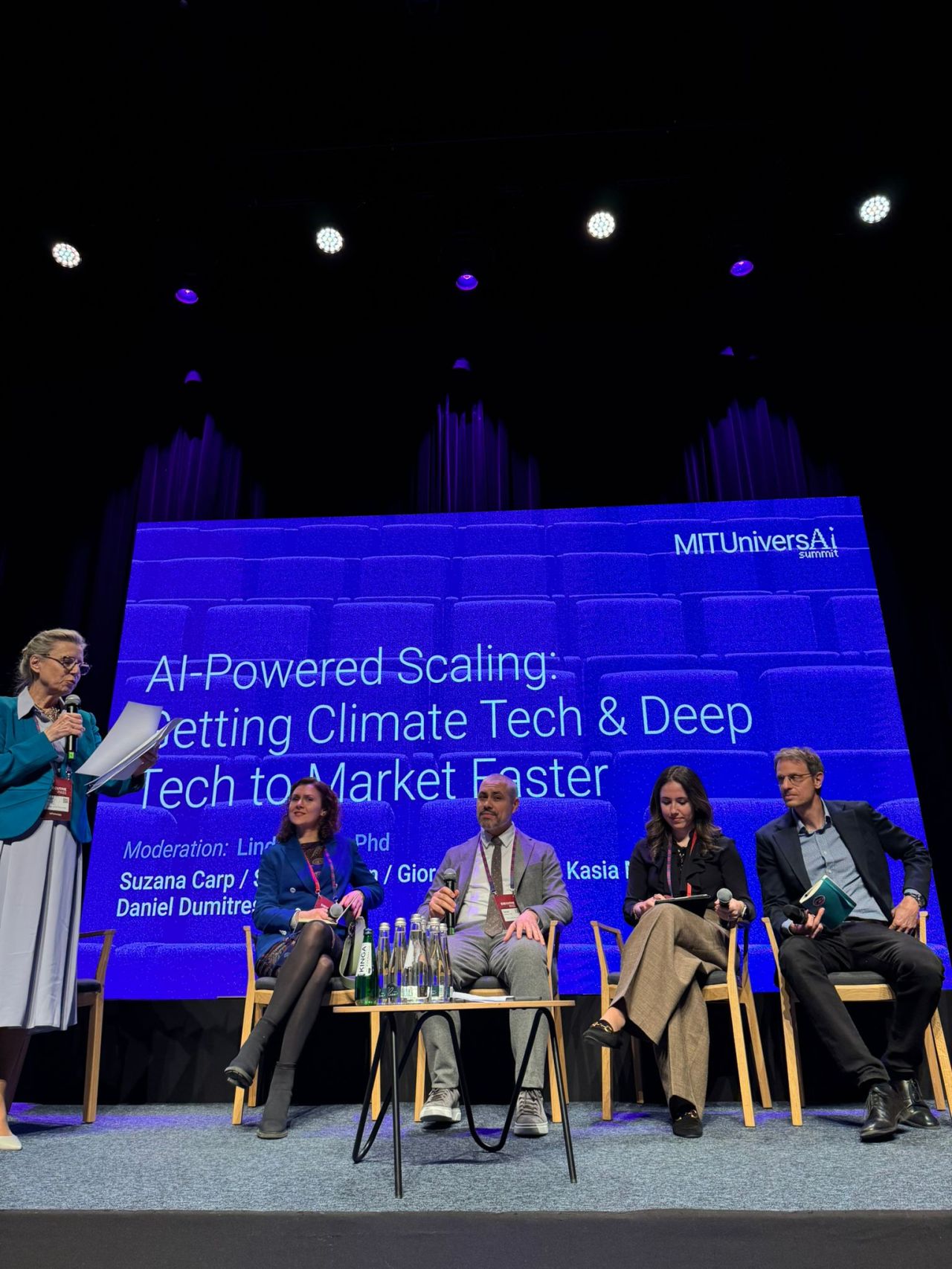
During a recent panel at the MIT Universal AI Summit, experts from across the climate and technology sectors—including Suzana Carp, Linda Plano, Daniel Dumitrescu, PhD., Sera E., Kasia Marczuk, and Giorgio Mariano—gathered to reframe the intersection of digital and green policy. While current discourse frequently treats the digital and climate shifts as separate, parallel tracks, the discussion revealed that they ultimately converge on a single infrastructure priority: large-scale electrification.
This convergence means the energy system is now the central foundation required to power both processes simultaneously. However, with the sunset of the "green premium," clean technology adoption now depends heavily on pure cost competitiveness. While artificial intelligence is a vital tool for optimizing grids and managing consumption, it cannot replace the physical capital and policy reforms urgently needed to address structural hurdles like permitting, financing, and supply chain development.
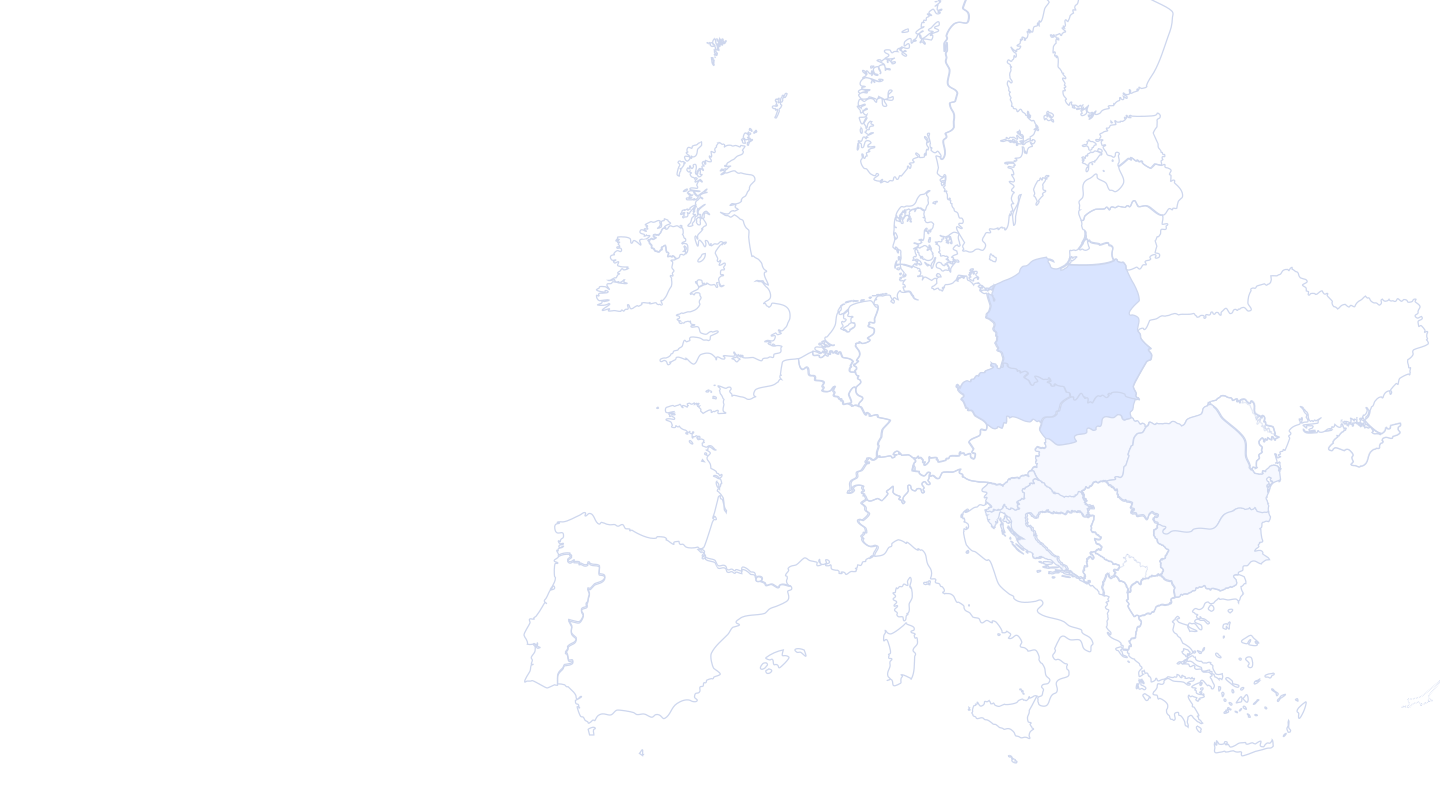
For Central and Eastern Europe, the main constraint to scaling these vital clean technologies is no longer a lack of innovation, but a deficit in physical infrastructure. AI cannot substitute for much-needed investments in grid expansion and cross-border interconnections. To drive immediate progress, the regional focus must look toward cities and buildings, where decarbonization can happen fastest and where AI can deliver immediate energy management improvements without waiting for system-wide grid upgrades.
Cleantech for CEE is focused on aligning digital and climate goals into a single, interconnected regional ecosystem. To unlock the region's full potential, we must recognize that the global race for digital and AI infrastructure will not be won in data centers alone, but in the resilient energy systems built to power them.