Parliamentary Subcommittee on Innovation and Competitiveness
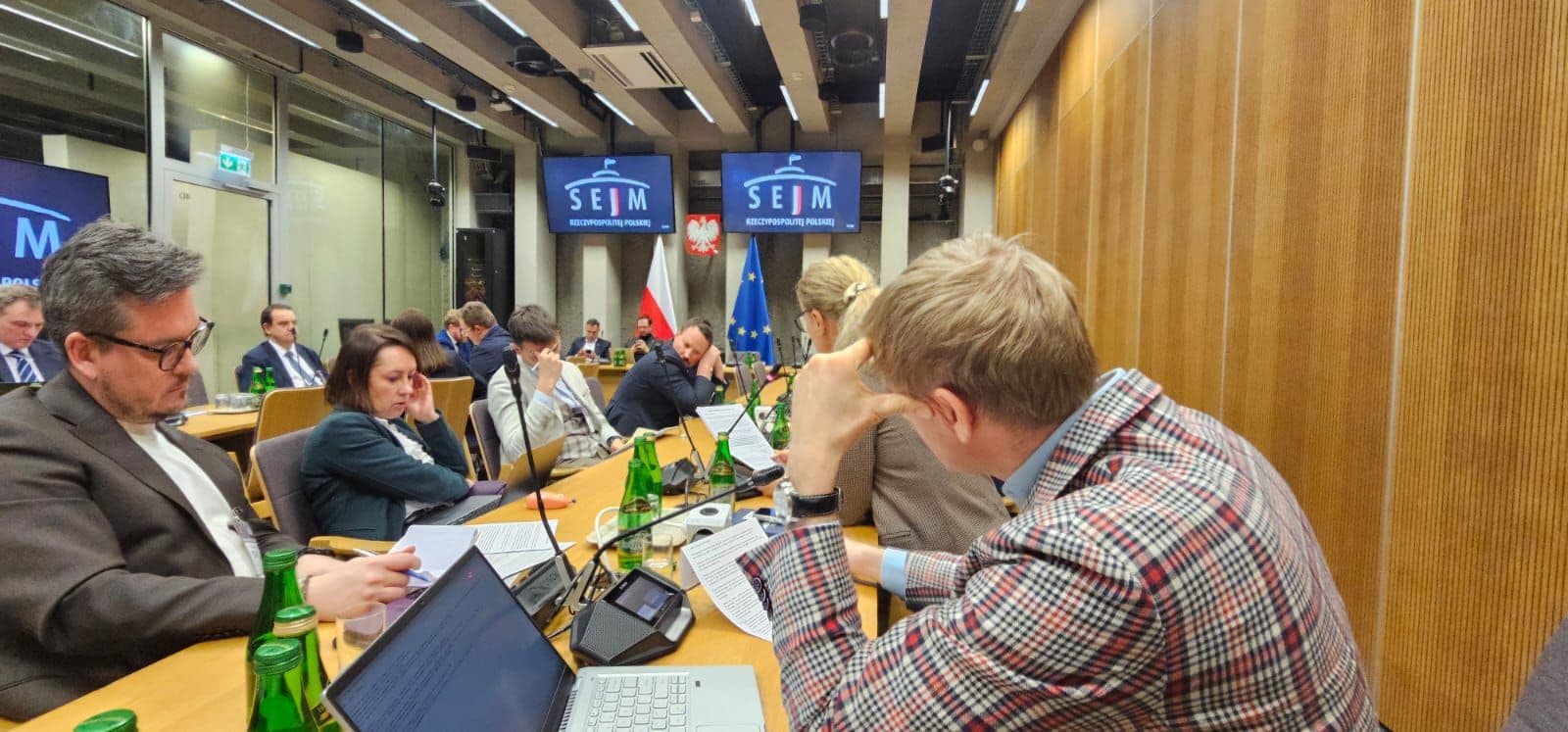
During a recent session of the parliamentary subcommittee on innovation and competitiveness, Magdalena Jabłońska represented the cleantech ecosystem to advocate for a strategic evolution in how green investments are executed. The discussion centered on transitioning from narrow "local content" requirements toward a broader "local value" approach, ensuring that regional innovation is structurally embedded into large-scale investment processes.
As Europe undergoes critical public procurement consultations, the overarching challenge lies in ensuring the climate transition serves as a driver for domestic economic resilience rather than a dependency risk. To address this, the government and Agencja Rozwoju Przemysłu S.A. are currently developing measurable, EU-compliant criteria—such as supply chain security and life-cycle costing—to prioritize regional technology across State-Owned Enterprise projects. With a formal report due later in 2026, the window to actively shape these foundational regulations is open right now.
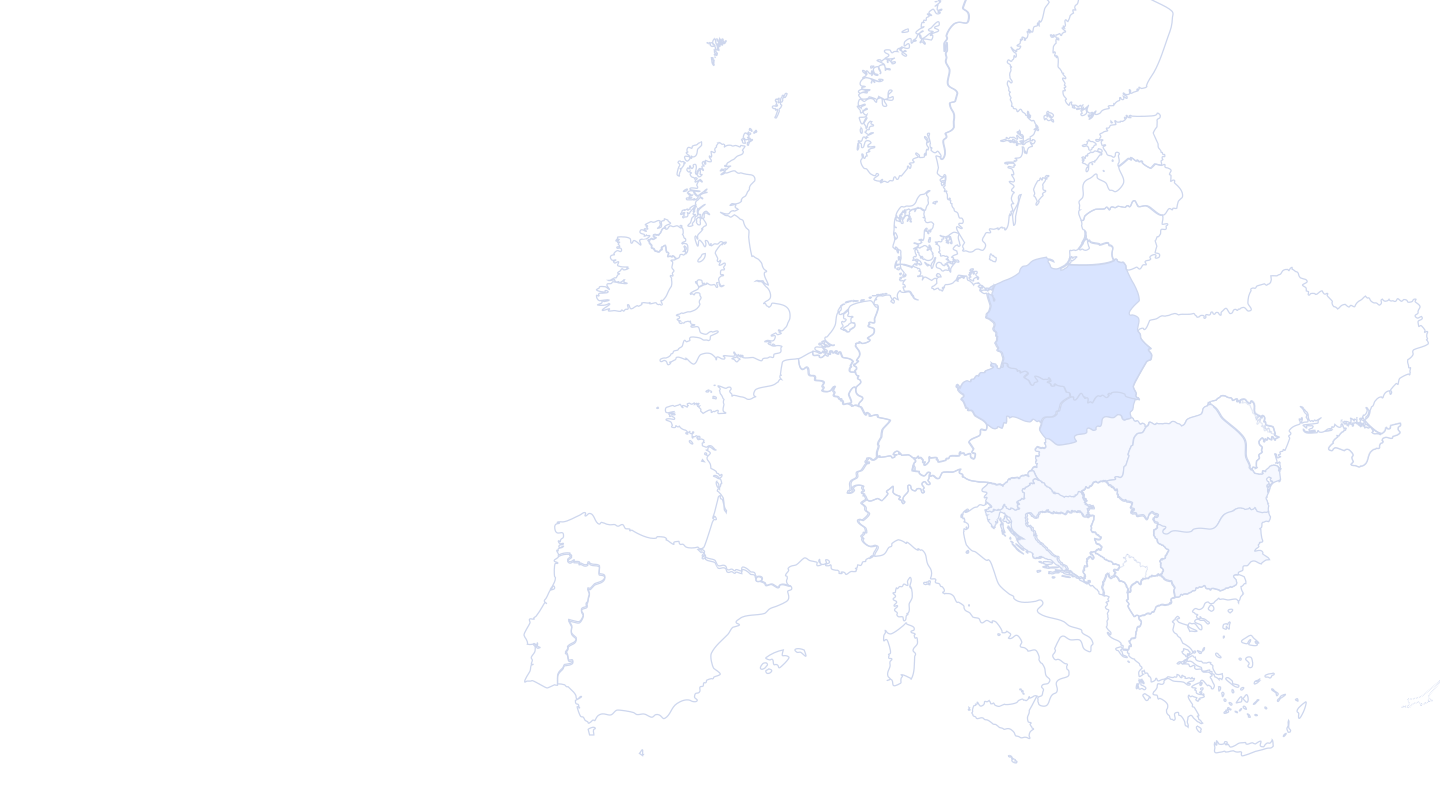
The Central and Eastern European region holds immense potential to turn these shifting regulatory frameworks into a distinct competitive advantage. By establishing robust local value chains, CEE can bridge the gap between ambitious climate targets and industrial execution, transforming the region into a resilient, self-sustaining hub for clean technology manufacturing that secures both economic sovereignty and environmental goals.
Cleantech for CEE remains fully dedicated to turning climate mandates into tangible regional progress. To support stakeholders and policymakers in navigating this regulatory window, we will be releasing a dedicated white paper on local content this February, outlining actionable frameworks to anchor the region’s industrial future.